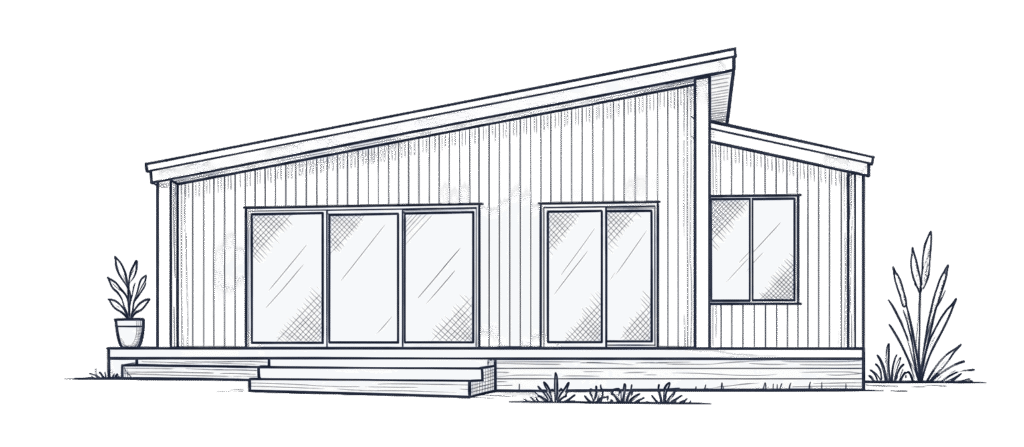
Your parents may still be active and independent. They may drive, look after their home and enjoy their usual routines.
Still, you might have noticed a few things changing.
Perhaps you’re visiting more often to help around the house. Maybe Mum or Dad has mentioned downsizing. Or perhaps the distance between you simply feels greater than it used to.
None of these changes automatically means your parents can no longer live independently. However, they can be a good reason to start a conversation.
For some families, living closer can offer the best of both worlds. Ageing parents can maintain their independence while having family nearby when they need them.
So, how do you know when it might be time to consider it?
Here are seven signs worth thinking about.
1. Everyday tasks are starting to take more effort
A large family home can be wonderful for many years. However, it can also require a lot of work.
Gardens need maintaining. Rooms need cleaning. Gutters need clearing. Small repairs seem to appear from nowhere.
As your parents get older, they may simply decide they no longer want to spend so much time maintaining their home.
That doesn’t mean they have lost their independence. Instead, their current home may no longer suit the lifestyle they want.
In fact, Services Australia lists a large home, garden maintenance, stairs and home upkeep among the reasons older Australians may start considering different living arrangements.
If Mum or Dad regularly talks about the house becoming too much work, it may be worth discussing alternatives.
A smaller home closer to family could make everyday life simpler.
2. You’re making more frequent trips to help
Think about how often you visited your parents a few years ago.
Now compare that with today.
Are you dropping in more often to help with jobs around the house? Do you regularly help with shopping, appointments, technology or maintenance?
Helping family is a normal part of life. However, the distance can become noticeable when those trips become more frequent.
For example, a drive across the Sunshine Coast might not seem significant once a month. Making the same trip several times a week can feel very different.
In that situation, the question isn’t necessarily whether your parents need care.
It might simply be:
Would life be easier for everyone if we lived closer together?
Sometimes, reducing the distance between family members can make everyday support much simpler.
3. They want to spend more time with family
Not every reason for moving closer needs to come from a problem.
Sometimes, it’s about what your parents want more of.
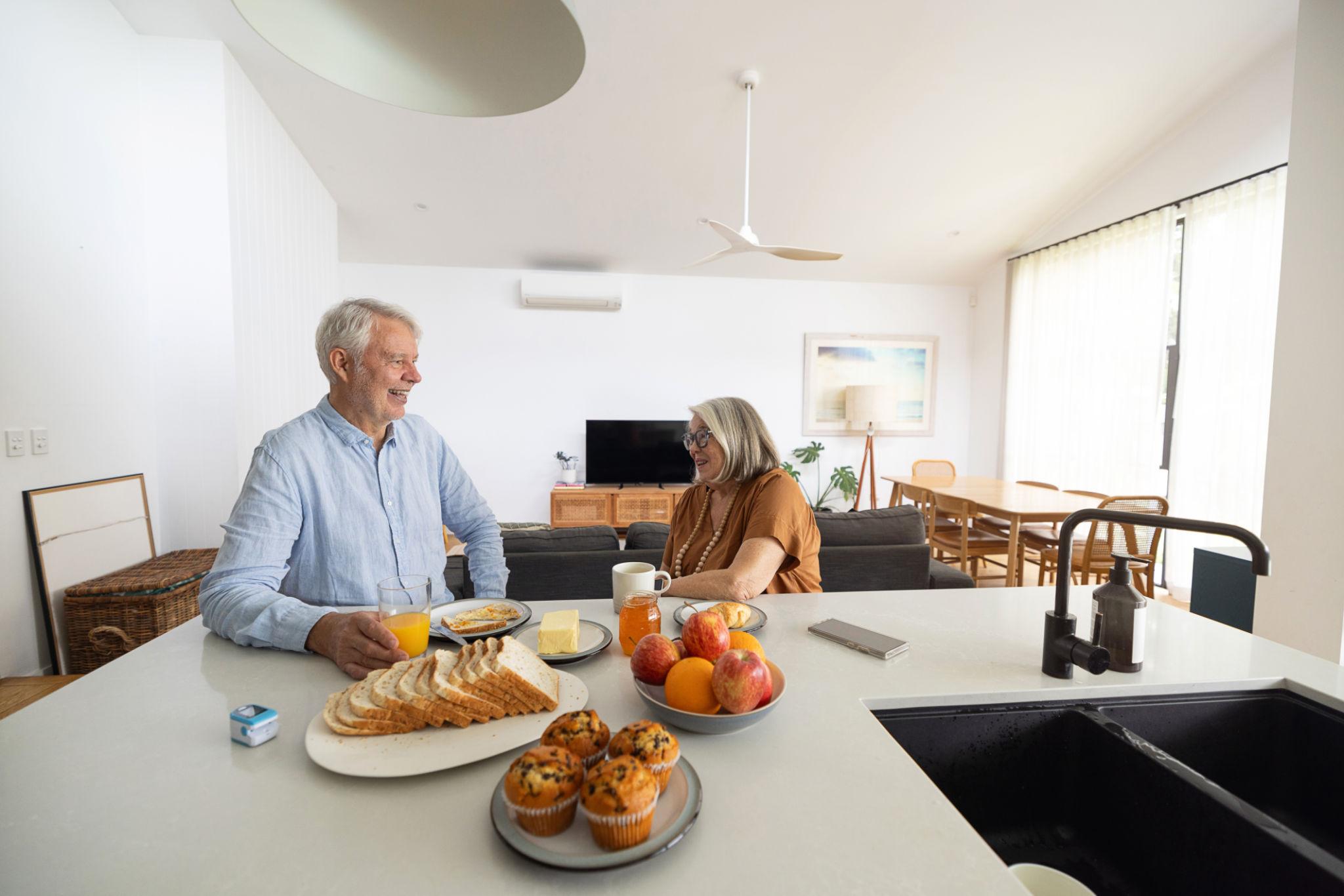
That might mean Sunday lunches with the family. It could mean seeing the grandchildren after school or sharing a morning coffee without planning days ahead.
As families change, priorities can change too.
Your parents may have spent years enjoying their own space. Now, they may value being part of everyday family life more than before.
However, wanting to be closer doesn’t necessarily mean wanting to share the same home.
That’s an important distinction.
Many parents still want their own front door, kitchen, living space and daily routine. They simply want those things closer to the people they love.
4. Their current home no longer suits the life they want
The home that worked perfectly 20 years ago may not be the right home today.
Perhaps there are unused bedrooms. Maybe the garden takes up every weekend. There could also be stairs or other features that have become less convenient.
Alternatively, your parents may simply want to spend less time maintaining a property.
Services Australia highlights similar considerations for older Australians. These include large homes, gardens, stairs, maintenance costs and the desire to live closer to family.
Therefore, downsizing doesn’t have to mean giving up independence.
It can mean choosing a home that better suits the next stage of life.
For some families, that could mean a smaller, self-contained home on the same property as their adult children.
5. Distance is making everyday support harder
Your parents don’t need to rely on you every day for distance to become an issue.
Sometimes, it’s the small things that make you notice it.
A quick visit isn’t quick when it requires a long drive. Helping with a simple job can take half a day. An unplanned visit may be difficult when everyone lives in different areas.
Over time, that distance can become frustrating for both generations.
Living closer can change the dynamic.
Instead of every visit becoming an organised event, family can be nearby while everyone continues with their own lives.
Services Australia notes that living closer to family can help older people stay independent while making everyday support easier.
The goal isn’t necessarily to provide more help.
Sometimes, it’s simply about making help easier when it’s wanted.

6. You’ve started talking about “what happens later”
You may already have had the conversation.
Maybe Mum mentioned selling the family home one day.
Perhaps Dad has started talking about downsizing.
Or maybe you’ve discussed where your parents would like to live as they get older.
These conversations don’t need to happen after something goes wrong. In fact, discussing the future while everyone has time to consider the options can make the process less stressful.
Start with simple questions.
What does your ideal home look like in five or ten years? Would you like less maintenance? Would you like to live closer to family? How important is having your own private space?
Most importantly, listen.
The aim isn’t to decide where your parents should live. It’s to understand what they want their next stage of life to look like.
From there, you can explore the options together.
7. They want to be closer without losing their independence
This may be the clearest sign of all.
Your parents like the idea of having family nearby.
But they don’t want to feel as though they’re moving into your house.
That’s completely understandable.
Independence can mean having your own kitchen. Your own living room. Your own furniture. Your own visitors. Your own morning routine.
In other words, Mum and Dad may want to live near you rather than with you.
A separate home on the same property can create that balance.
Services Australia notes that granny flat arrangements often involve families providing company and nearby help for older people. The accommodation can include a separate, self-contained building on a family member’s land.
For the right family and property, that can offer a practical middle ground.
Family is close.
Independence remains.
One sign doesn’t mean it’s time for your parents to move
It’s important to keep these signs in perspective.
Finding the garden harder to maintain doesn’t mean your parents need to move. Neither does asking you for help more often.
Every family is different.
Instead, look at the bigger picture.
Have several things changed? Are your parents already thinking about downsizing? Does living far apart create unnecessary stress? Most importantly, have they said they would like to be closer?
If so, it may be worth starting the conversation.
There doesn’t need to be an immediate decision.
The first step can simply be exploring what living closer might look like.
How to start the conversation with Mum or Dad
Talking about future living arrangements can feel uncomfortable.
So, avoid starting with a decision you’ve already made.
Instead of saying, “You should move closer to us,” try asking what your parents want.
For example:
- Would you ever consider living closer to us?
- What would you want from a smaller home?
- How much privacy would you want?
- Would you prefer less garden and home maintenance?
- What would you miss about your current home?
- How could we make living closer work for everyone?
These questions keep your parents involved in the decision.
They can also uncover something you hadn’t considered.
Perhaps they love their current community but dislike maintaining their house. Maybe they’re interested in downsizing but worry about losing privacy.
Once you understand those concerns, you can explore the right options together.
Living closer doesn’t have to mean living together
For many families, this is where the idea of a granny flat starts to make sense.
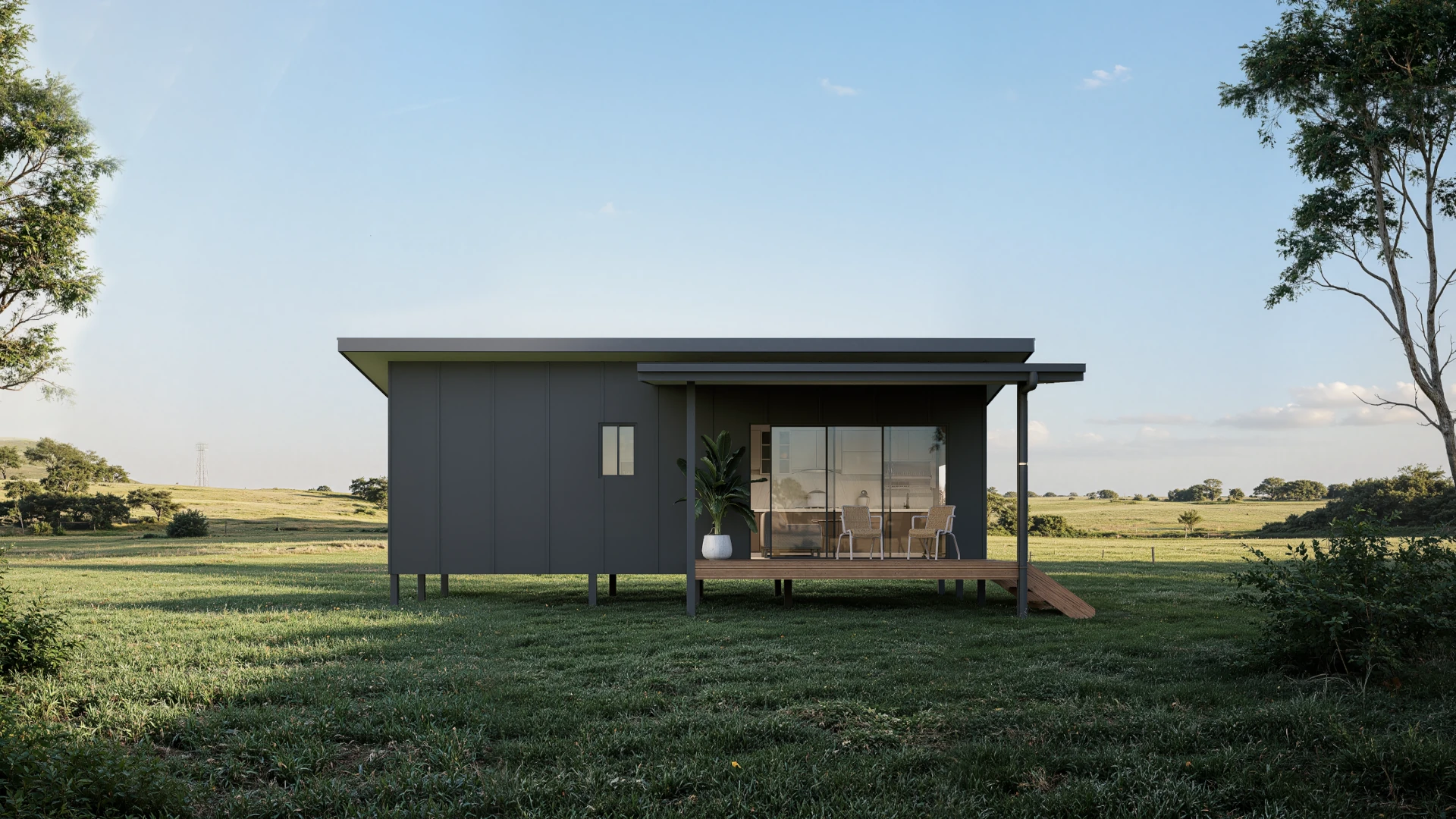
A well-designed granny flat can create a separate home on the same property.
Mum or Dad can have their own bedroom, bathroom, kitchen and living space. Meanwhile, children and grandchildren are only a short walk away.
That creates a different type of family living.
You can share dinner without sharing every meal.
You can help with something around the house without driving across town.
The grandchildren can visit Nan or Pop without planning a weekend trip.
At the same time, everyone can still close their own front door at the end of the day.
For families considering independent living for ageing parents, that balance between privacy and proximity can be particularly valuable.
Think beyond the building
Before deciding on a granny flat, it’s worth discussing more than bedrooms and floor plans.
Think about how the arrangement would work in everyday life.
For example, discuss privacy, household boundaries and shared spaces. You should also consider finances and ongoing property costs.
Then think further ahead.
What happens if family circumstances change? Who will own the property? What happens if Mum or Dad eventually wants to move?
These questions are especially important when a parent contributes money or assets in exchange for a lifelong right to live on someone else’s property.
Services Australia calls this a granny flat interest. Importantly, this term refers to the living arrangement rather than the physical type of building. Such arrangements can affect the Age Pension, aged care costs and how certain assets are assessed.
Services Australia recommends putting relevant arrangements in writing and getting independent legal and financial advice.
So, if your family is considering this type of arrangement, seek advice for your circumstances before making financial decisions.
Could a granny flat work for your family?
There isn’t one right way for families to live as parents get older.
Some parents are perfectly happy where they are. Others want to downsize. Some want family nearby while keeping as much independence as possible.
The important thing is to start with the needs of your family.
If Mum or Dad wants a smaller home, less maintenance and more time with family, a granny flat could be one option to explore.
A turnkey granny flat can also simplify the building journey. Rather than coordinating separate stages yourself, you can work towards a completed home that’s ready for everyday living.
For Sunshine Coast families, that can create something valuable:
A home of their own, with family only steps away.
Considering a granny flat for Mum or Dad?
If your family is exploring ways to live closer, we can help you understand what’s possible.
We specialise in turnkey granny flats designed for Sunshine Coast living. Explore the options, learn about the process and find a design that could work for your family.